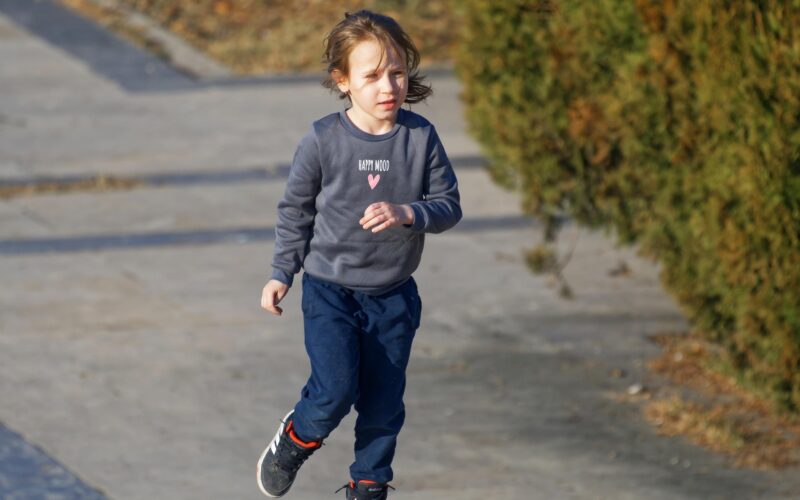
How to Encourage Kids to Stay Active
Modern childhood often revolves around screens and sedentary habits. Finding effective ways to encourage physical activity is essential for a child's overall wellbeing and development. Regular movement helps build strong bones, improves mental health, and fosters better sleep patterns. Children naturally have abundant energy, yet the appeal of digital entertainment frequently overrides their desire to play outside. Shifting this balance requires a thoughtful approach that integrates activity seamlessly into everyday life. By creating an environment that champions movement, parents and caregivers can establish healthy habits that last well into adulthood.
Lead by example
Children are highly observant and tend to mimic the behaviours of the adults around them. If they see their parents enjoying physical activities, they are far more likely to view exercise as a normal and enjoyable part of daily life. You do not need to run a marathon to set a good standard. Simply choosing to walk to the local shops, doing some gardening, or taking an evening stroll can have a profound impact. Demonstrating a positive attitude towards staying active shows children that movement is a rewarding experience rather than a tedious chore.
Make movement a natural part of the day
Instead of scheduling rigorous exercise sessions, look for opportunities to weave physical activity into your regular routine. Small changes often yield the most sustainable results. You might park the car a bit further away from the school gates to encourage a brisk morning walk. Household chores can also become energetic games. Putting on some lively music while tidying the living room or racing to see who can gather their laundry the fastest transforms mundane tasks into active moments. These subtle adjustments ensure that children remain active without feeling forced.
Focus on fun rather than strict exercise
The concept of working out can sound daunting or boring to a child. The key to sustained engagement is finding activities they genuinely find entertaining. Some children thrive in team sports like football or netball, whilst others might prefer dancing in the kitchen, riding a bicycle, or climbing trees at the local park. Allow them the freedom to explore different options until they discover what brings them joy. When movement feels like play, children will naturally want to participate more often, developing a lifelong appreciation for keeping their bodies in motion.
Encourage outdoor exploration
Spending time in nature provides a dynamic environment that naturally prompts children to move. Uneven terrain, open spaces, and fresh air stimulate both physical exertion and imaginative play. A simple trip to a nearby woodland or beach offers endless opportunities to run, jump, and explore safely. Even a small garden can serve as a fantastic space for active games. Being outdoors also limits access to electronic devices, removing the primary distraction that keeps kids sedentary. Encouraging a connection with the natural world simultaneously supports their physical health and emotional resilience.
Provide positive reinforcement
Praise and encouragement play a vital role in building a child's confidence when it comes to physical activity. Focus your feedback on their effort and enthusiasm rather than their skill level or competitive success. Celebrate the fact that they tried something new or gave their best effort during a game. Negative comments or unwanted pressure can easily deter a child from participating in physical activities altogether. By fostering a supportive and judgement-free atmosphere, you help them develop a healthy relationship with movement that is rooted in self-esteem and personal enjoyment.
Keep the momentum going
Maintaining an active lifestyle requires consistency and a willingness to adapt as children grow and their interests change. Keep the conversation about health positive and focused on how movement makes the body feel strong and energetic. By implementing these supportive strategies, you can guide children towards a future where physical activity is a natural, joyful element of their daily routine. Creating a foundation of health today ensures they have the energy and resilience to thrive tomorrow.